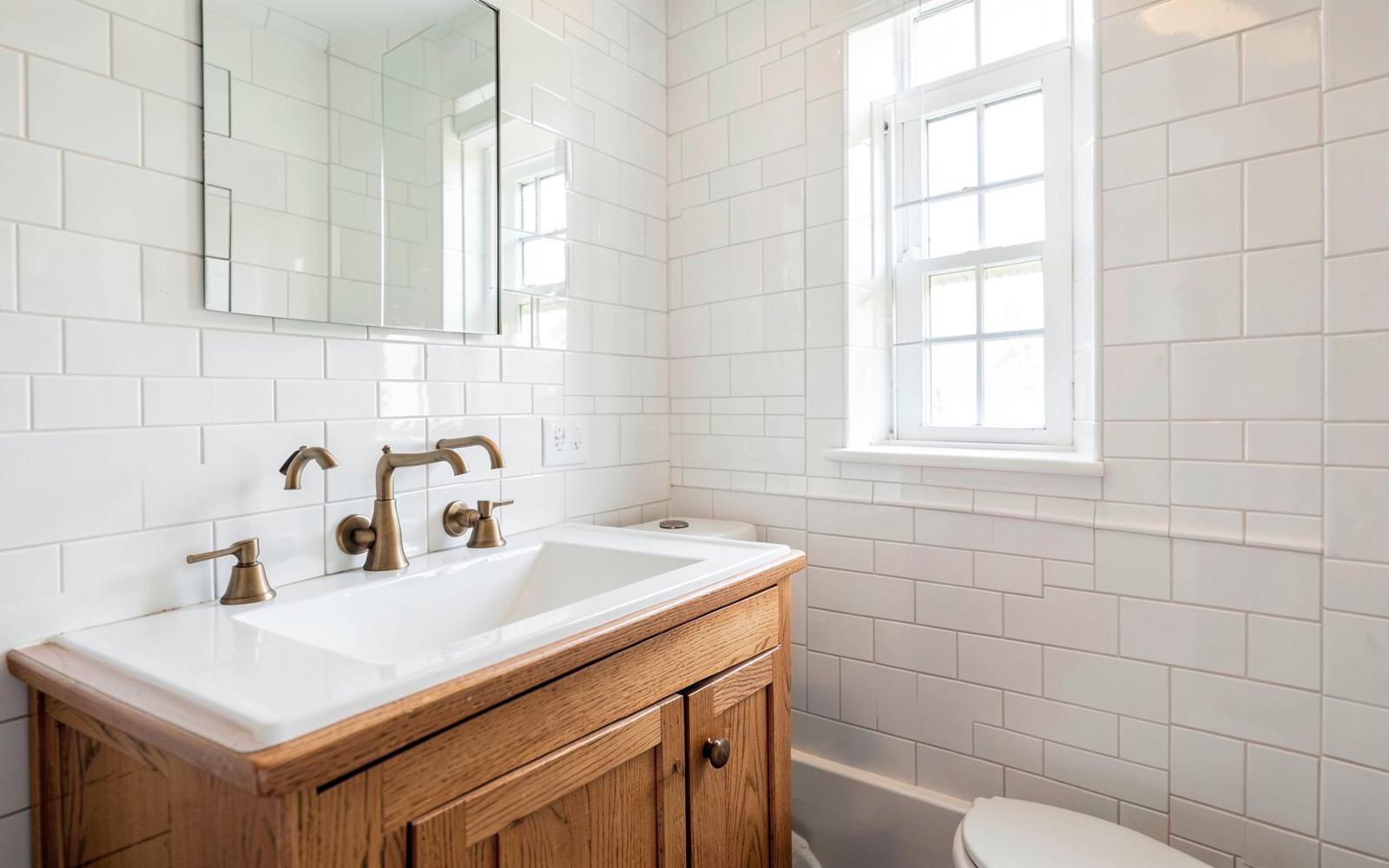
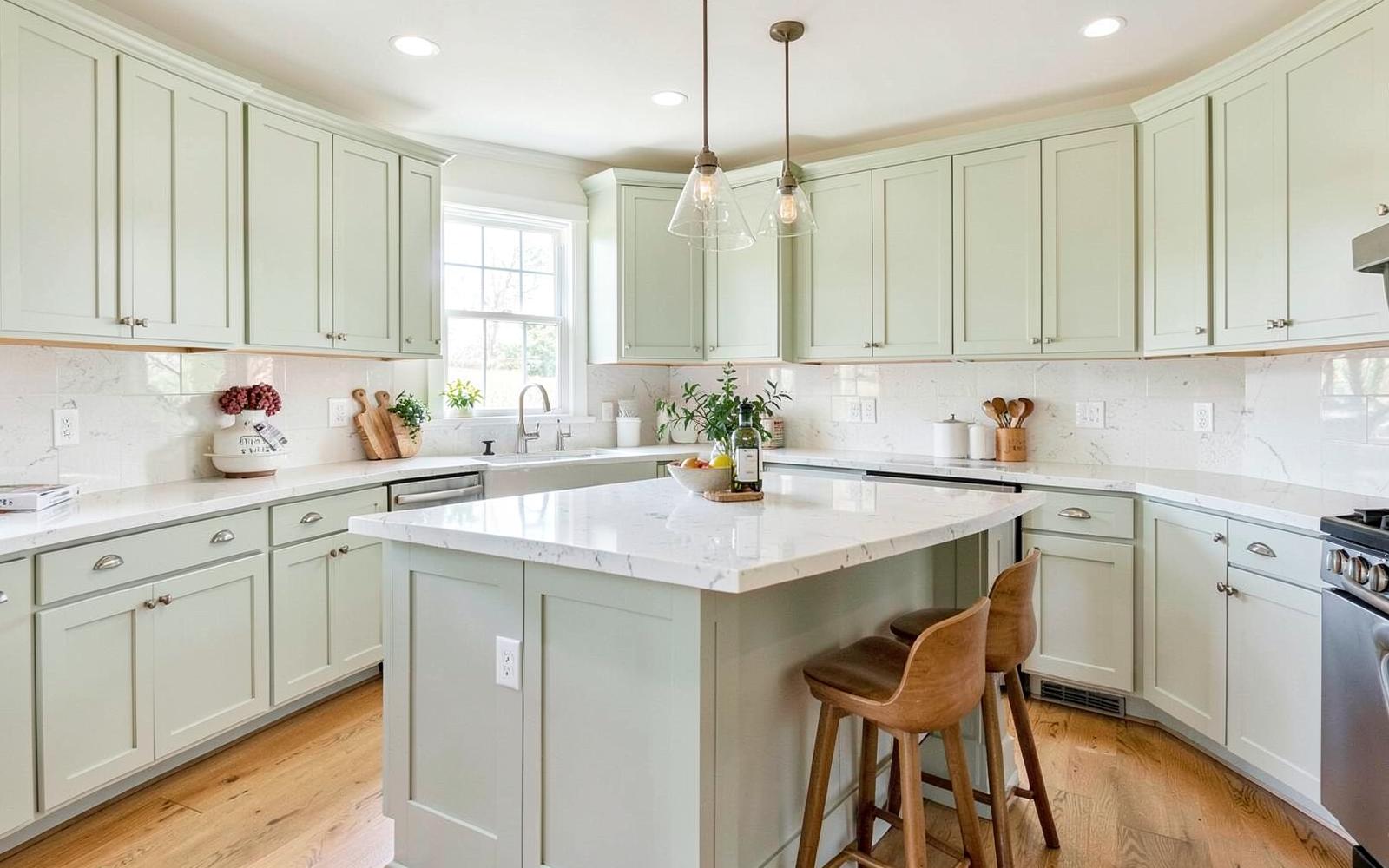
This is one of the most common questions we hear, and the honest answer starts with a different question: are you renovating for yourself or for a buyer? Those two projects look different and should be budgeted differently.
What Buyers Actually React To
Buyers walking a kitchen respond quickly to a short list of things: whether it looks clean and cared for, whether the finishes feel current, whether the layout works, and whether anything looks like a problem they will inherit. A dated but well-maintained kitchen reads very differently from a dated kitchen with a failing floor, water damage under the sink and cabinet doors that will not close.
Refresh vs. Full Remodel
A targeted refresh usually wins when...
- The layout works and the cabinets are structurally sound
- The issues are cosmetic — tired paint, worn countertops, dated hardware and lighting
- Comparable homes in your neighborhood have similar kitchens
- You are listing within the next few months
Refresh work commonly includes painting or refacing cabinets, new hardware, updated countertops, a new sink and faucet, improved lighting, fresh paint throughout, and repairing any visible defect. It is a fraction of a remodel and it moves the emotional needle for buyers.
A full remodel is worth considering when...
- The kitchen is genuinely non-functional — bad layout, failing cabinets, inadequate electrical
- Nearly every comparable home nearby has been updated and yours has not
- Your home is at a price point where buyers expect a renovated kitchen
- You are staying two or more years and will actually live in it
A Realistic Look at Return
Industry cost-versus-value studies consistently show minor kitchen updates recovering a larger share of their cost than major remodels. That pattern holds locally. A gut kitchen done specifically to sell often returns a portion of the investment in sale price, not the whole thing — and it consumes weeks you may not have before listing. The exception is a kitchen so dated that it caps what buyers will offer for the entire house.
The stronger financial argument for a full remodel is time: renovate two or three years before selling, enjoy the kitchen, and let the update still read as current at listing.
Don't Over-Improve for Your Street
Every neighborhood has a practical ceiling. A $120,000 kitchen in a neighborhood where homes sell in a certain band will not lift the sale price by $120,000. Before committing, look honestly at what recently sold nearby and what those kitchens looked like. In areas like Rumson, Fair Haven, Colts Neck and Holmdel, buyer expectations for kitchens are generally high. In many Middlesex and Ocean County neighborhoods, a clean, well-maintained kitchen with updated surfaces performs very well without a gut renovation.
If You Do Renovate Before Selling
- Choose broadly appealing finishes rather than personal statements
- Fix what is behind the finishes — a leak or bad wiring will surface in inspection
- Keep the layout unless it is genuinely dysfunctional; moving plumbing and gas adds cost and time
- Document permits and inspections; buyers and attorneys ask
- Build in schedule buffer, because a listing date is unforgiving