
Most renovation problems are not craftsmanship problems. They are communication, scope and expectation problems that were visible during the hiring conversation if you knew what to listen for. Use the questions below as your interview framework.
Licensing, Registration and Insurance
- Are you registered as a New Jersey Home Improvement Contractor, and what is your registration number?
- Can you provide a certificate of general liability insurance directly from your insurer?
- Do you carry workers' compensation for everyone who will be on my property?
- Are your subcontractors licensed and insured, and do you verify that?
Ask for the certificate to be sent by the insurance agency rather than handed to you as a copy. It takes one email and it verifies the coverage is current.
Experience With Your Project Type
- How many projects like mine have you completed in the past two years?
- Can I see photos of a completed project of similar scope?
- Have you worked in my municipality, and are you familiar with its permit process?
- Who handles design decisions and material selections?
The Contract and Scope
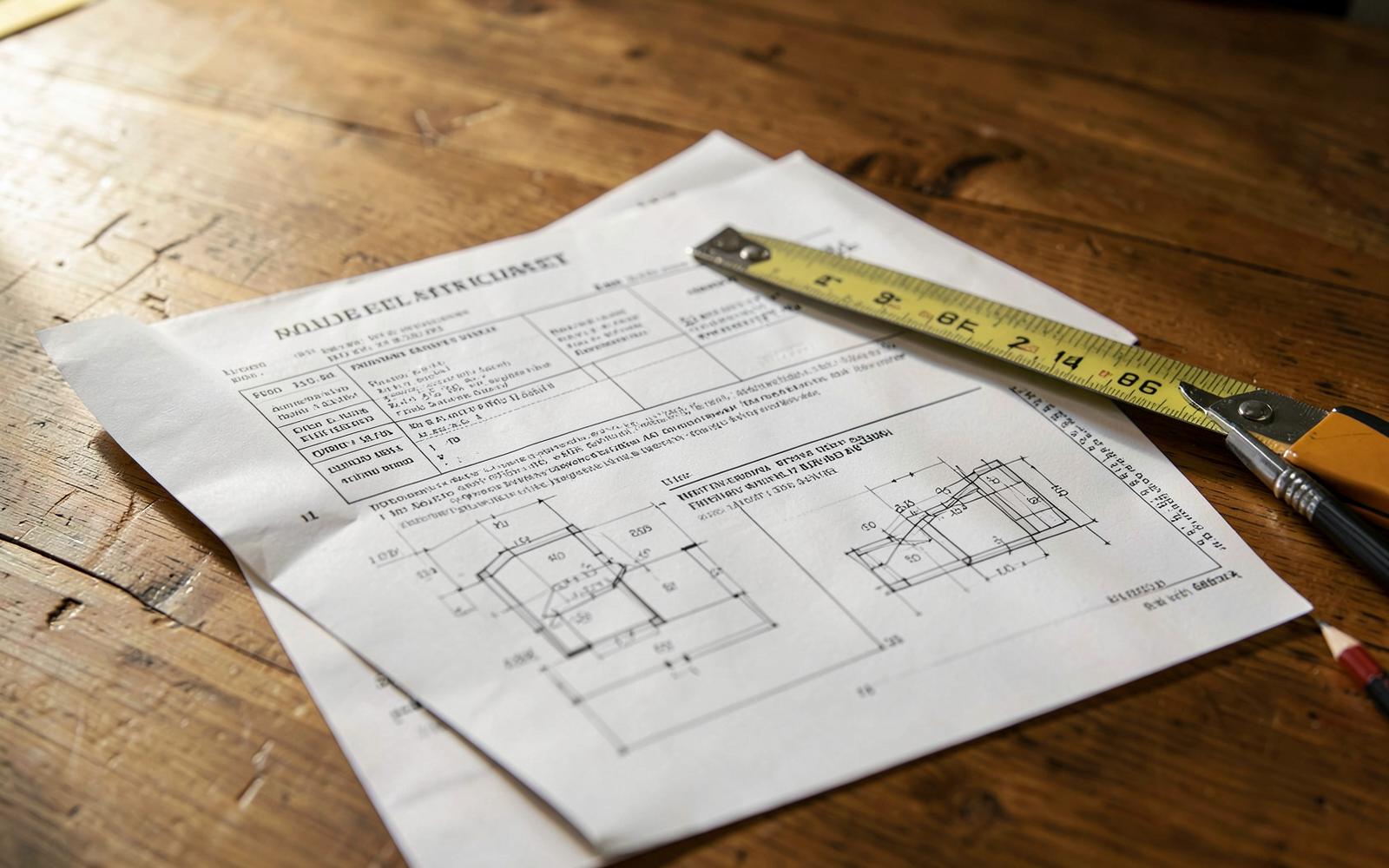
New Jersey requires home improvement contracts over a certain amount to be in writing, signed, and to include specific terms. Beyond the legal minimum, a good contract protects both sides by being specific.
- Does the contract include a detailed scope of work, line by line?
- What allowances are included for tile, fixtures, cabinetry and countertops?
- What is explicitly excluded?
- Who pulls the permits and schedules inspections?
- What warranty do you provide on workmanship, and for how long?
Vague scope is the root of most disputes. "Renovate bathroom" is not a scope. A list of what is being removed, installed, and finished — with allowances — is.
Payment Schedule
- What is the deposit, and what does it cover?
- What are the payment milestones, and are they tied to completed work?
- How much is held until final completion and punch list sign-off?
- How are lien waivers handled with subcontractors and suppliers?
Be cautious with a large up-front payment that is not tied to material orders. Payments should track progress.
Schedule and Site Management
- When can you realistically start, and what is the expected duration?
- Will my project have a dedicated crew, or will they be shared with other jobs?
- Who is my day-to-day point of contact?
- What hours will crews be working, and how is the site protected and cleaned?
- How do you handle dust containment and access to occupied areas?
Communication and Change Orders
- How often will I receive updates, and in what form?
- What happens when something unexpected is found behind a wall?
- Are all change orders documented in writing with cost and schedule impact before work proceeds?
- How are selections and deadlines tracked so the schedule is not delayed?
The change order answer matters more than almost any other. Renovations on older homes produce surprises. The difference between a good and a bad experience is whether those surprises are priced and approved in writing before the work happens.
References
- May I speak with three homeowners whose projects finished in the last year?
- May I speak with someone whose project had a problem, and hear how it was resolved?
That second question is the useful one. Every builder encounters problems. How they handled one tells you what you actually need to know.
Red Flags Worth Taking Seriously
- Reluctance to provide registration or insurance documentation
- Pressure to sign quickly or a discount that expires today
- A large cash deposit request, or a preference for cash payment
- No written contract, or a one-page contract for a large project
- Asking you to pull the permits for work they are performing
- A price dramatically below every other proposal, which usually means scope is missing