Why there is no single number
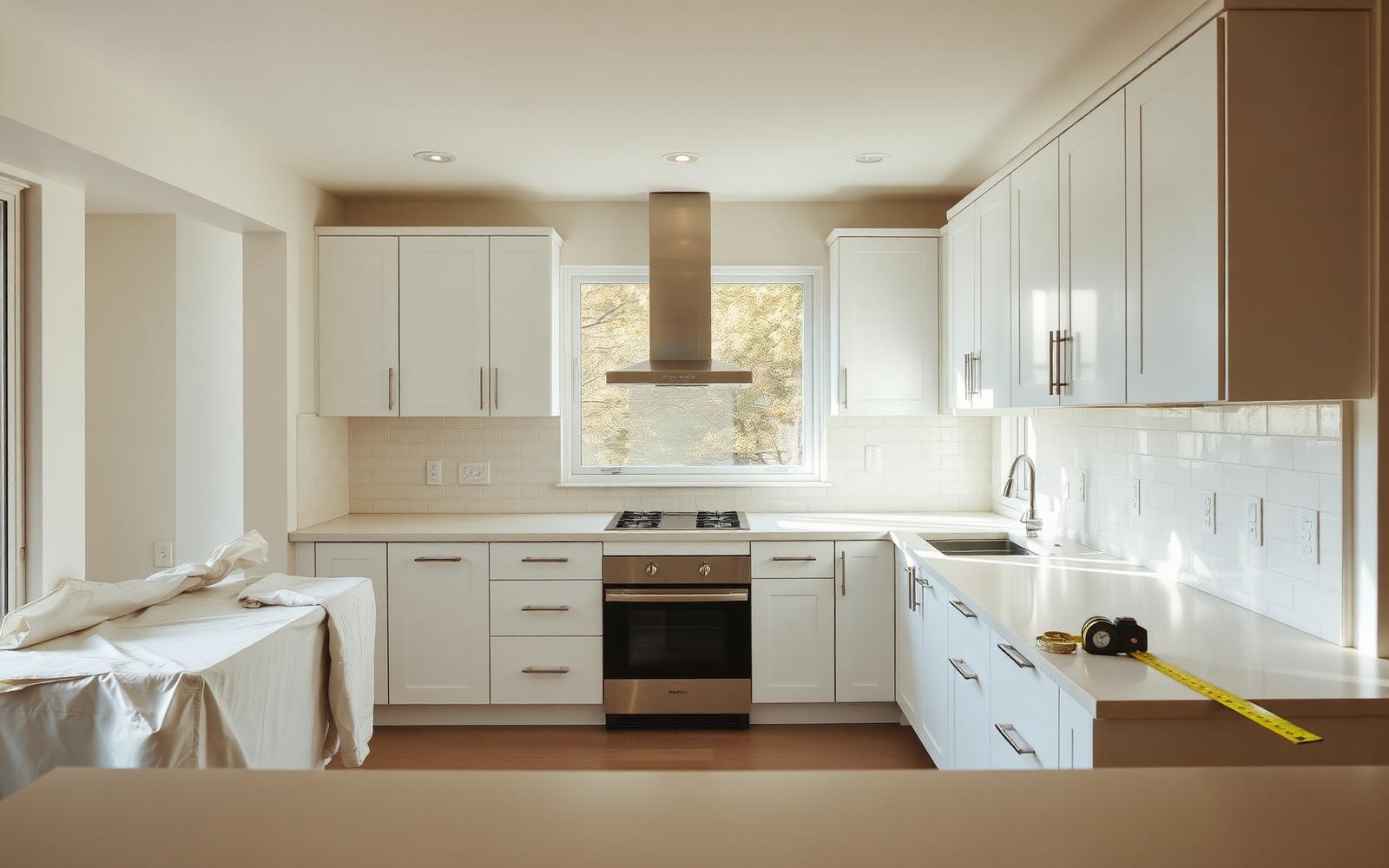
Two kitchens the same size can differ enormously in cost. One keeps its layout and gets new cabinetry and counters. The other moves plumbing, removes a wall and upgrades electrical service. The finishes may look similar; the work behind them is not.
What actually drives cost
- Scope: keeping the layout is almost always less expensive than moving it.
- Cabinetry: usually the largest single line, and the widest range in price.
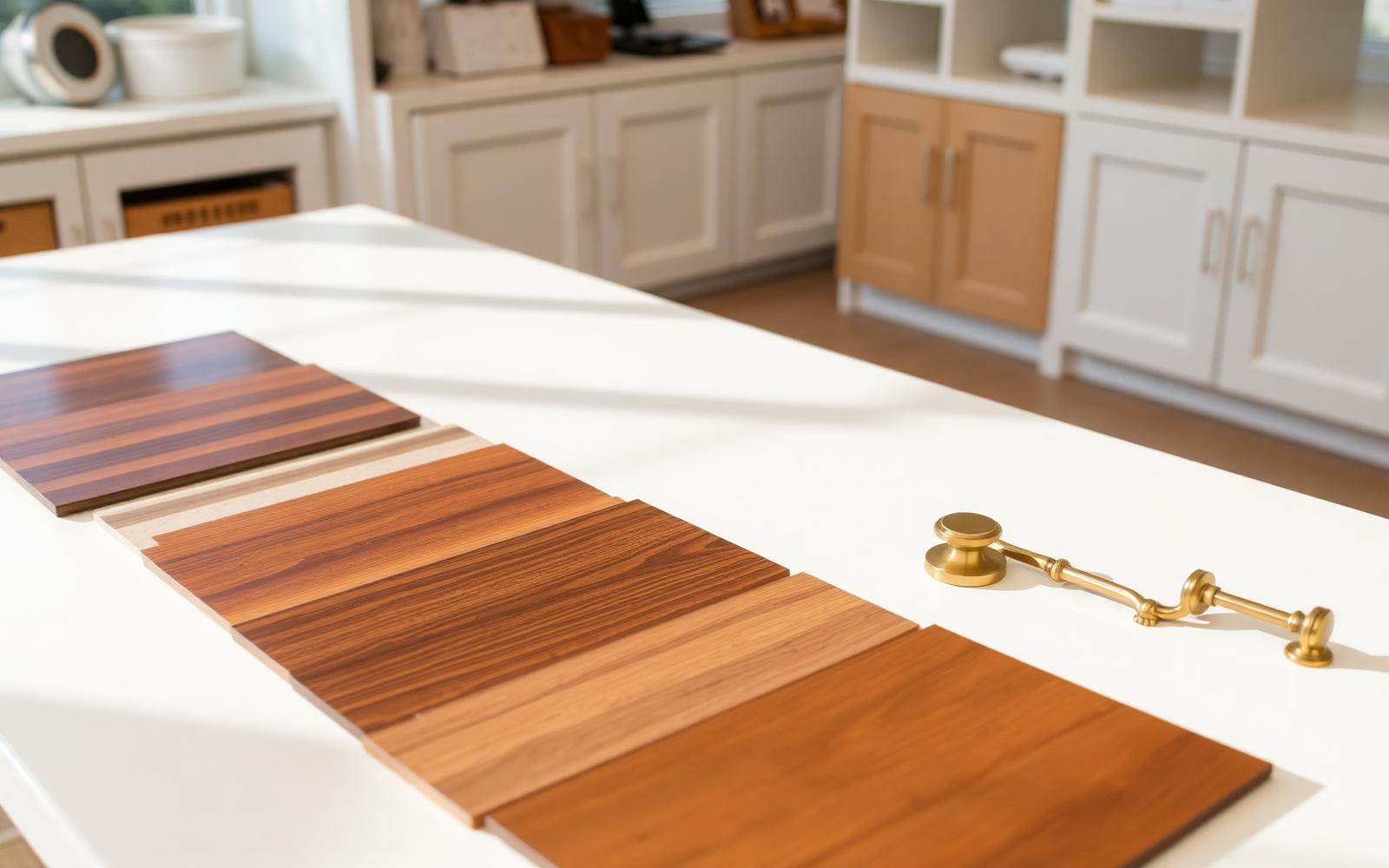
- Counters and tile: material choice can shift the number significantly.
- Behind the walls: older homes often need electrical, plumbing or framing work discovered once demolition starts.
- Appliances: often bought by the homeowner, but they affect cabinetry and venting.
Decide what matters most before you price anything. Priorities are what keep a budget intact.
Build a range, then refine it
Start with a comfortable range rather than a target. As layout, cabinetry level and selections are settled, that range narrows into a real number. Keep a contingency for what is found behind the walls; older homes frequently have surprises.
Where homeowners are usually glad they spent
- Layout and storage that fix the daily frustration.
- Cabinetry quality, because it is the hardest thing to change later.
- Lighting, which changes how the whole room feels.
Where it is easier to save
Decorative tile, hardware and fixtures are simpler to adjust and simpler to change in the future. Trading a statement backsplash for better cabinetry is a common and sensible swap.